
Techniques for Equalizing Your Ears While Diving: A Diver’s Guide
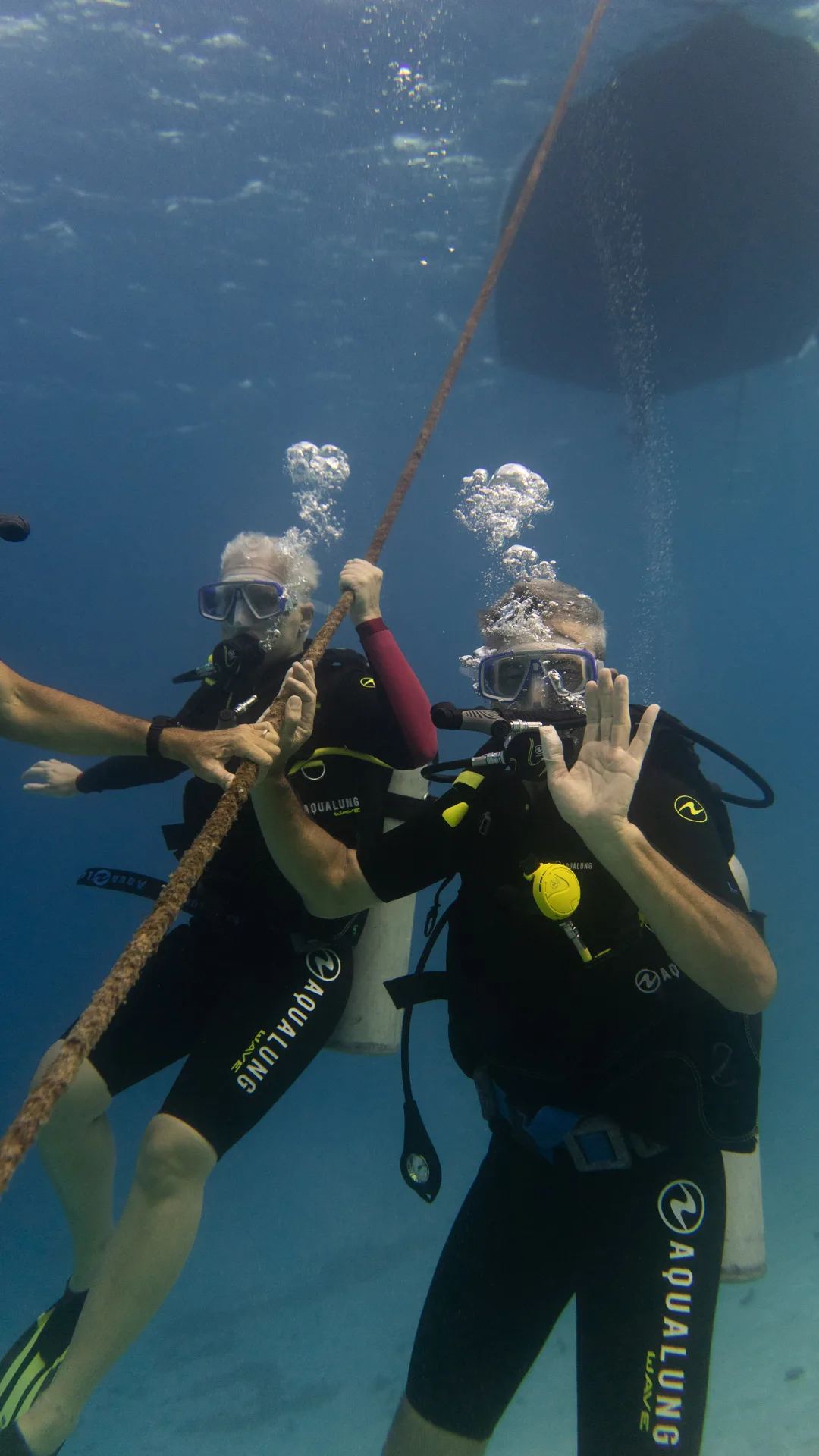
Equalizing your ears is an essential scuba diving skill. A pressure imbalance can cause pain and even injury. Here’s a comprehensive guide to the different techniques for equalizing your ears while diving, so you can enjoy your underwater experience safely.
As you descend underwater, the surrounding pressure increases. This can create a pressure difference between the outside and inside of your ears, potentially causing a pressure-related injury known as barotrauma. Equalizing the pressure in your ears is therefore crucial to preventing discomfort and injury.
Equalization Techniques
Valsalva Technique — How to do it: Pinch your nose, close your mouth, and try to blow gently through your nose. Advantages: Quick and easy to do. Drawbacks: May not work if your Eustachian tubes are blocked.
How to do it: Pinch your nose, close your mouth, and try to blow gently through your nose.
Advantages: Quick and easy to do.
Drawbacks: May not work if your Eustachian tubes are blocked.
Frenzel Technique — How to do it: Pinch your nostrils closed and use the base of your tongue to push air toward the back of your throat while making a “k” sound. Advantages: Gentler than the Valsalva technique, with less risk of excessive pressure. Drawbacks: Takes practice to master.
How to do it: Pinch your nostrils closed and use the base of your tongue to push air toward the back of your throat while making a “k” sound.
Advantages: Gentler than the Valsalva technique, with less risk of excessive pressure.
Drawbacks: Takes practice to master.
Toynbee Technique — How to do it: Pinch your nose and swallow at the same time. Advantages: Uses natural swallowing movements and may be easier for some people. Drawbacks: May be less effective if you find it difficult to swallow with your nose pinched.
How to do it: Pinch your nose and swallow at the same time.
Advantages: Uses natural swallowing movements and may be easier for some people.
Drawbacks: May be less effective if you find it difficult to swallow with your nose pinched.
Lowry Technique — How to do it: Combine the Valsalva and Toynbee techniques by pinching your nose and blowing gently while swallowing. Advantages: Combines the benefits of both techniques for greater effectiveness. Drawbacks: May take practice to coordinate the movements.
How to do it: Combine the Valsalva and Toynbee techniques by pinching your nose and blowing gently while swallowing.
Advantages: Combines the benefits of both techniques for greater effectiveness.
Drawbacks: May take practice to coordinate the movements.
Edmonds Technique — How to do it: Tilt your head back and to the side, pinch your nose, push your jaw forward, and perform the Valsalva technique. Advantages: Helps open the Eustachian tubes in different positions. Drawbacks: May be uncomfortable for some people.
How to do it: Tilt your head back and to the side, pinch your nose, push your jaw forward, and perform the Valsalva technique.
Advantages: Helps open the Eustachian tubes in different positions.
Drawbacks: May be uncomfortable for some people.
Using Jaw Movements — How to do it: Open and close your mouth, chew, or move your jaw around. Advantages: Natural and easy to do, especially at the start of your descent. Drawbacks: May not be enough at greater depths.
How to do it: Open and close your mouth, chew, or move your jaw around.
Advantages: Natural and easy to do, especially at the start of your descent.
Drawbacks: May not be enough at greater depths.
Tips for Effective Equalization
Start Early and Equalize Often — Start equalizing your ears before you feel any discomfort, and keep doing so regularly as you descend. Don’t let pressure build up.
Start equalizing your ears before you feel any discomfort, and keep doing so regularly as you descend. Don’t let pressure build up.
Be Gentle — Avoid using excessive force. If a technique doesn’t work straight away, try another method or ascend slightly before descending again.
Avoid using excessive force. If a technique doesn’t work straight away, try another method or ascend slightly before descending again.
Stay Well Hydrated — Dehydration can make equalizing more difficult. Drink plenty of water before and after your dive.
Dehydration can make equalizing more difficult. Drink plenty of water before and after your dive.
Avoid Diving with a Cold or a Blocked Nose — Congestion can block the Eustachian tubes, making equalization very difficult or impossible.
Congestion can block the Eustachian tubes, making equalization very difficult or impossible.
Use Decongestants if Necessary — Consult a doctor before taking medication to make sure it is suitable for diving.
Consult a doctor before taking medication to make sure it is suitable for diving.
Conclusion
Equalizing your ears is a vital skill for every diver. By mastering these different techniques, you can avoid pressure-related pain and injury and enjoy a safe, comfortable dive. Practice these methods regularly, listen to your body, and don’t hesitate to ask experienced divers or instructors for advice on improving your technique. Happy diving!