When to see whales in Tahiti? Season and tips
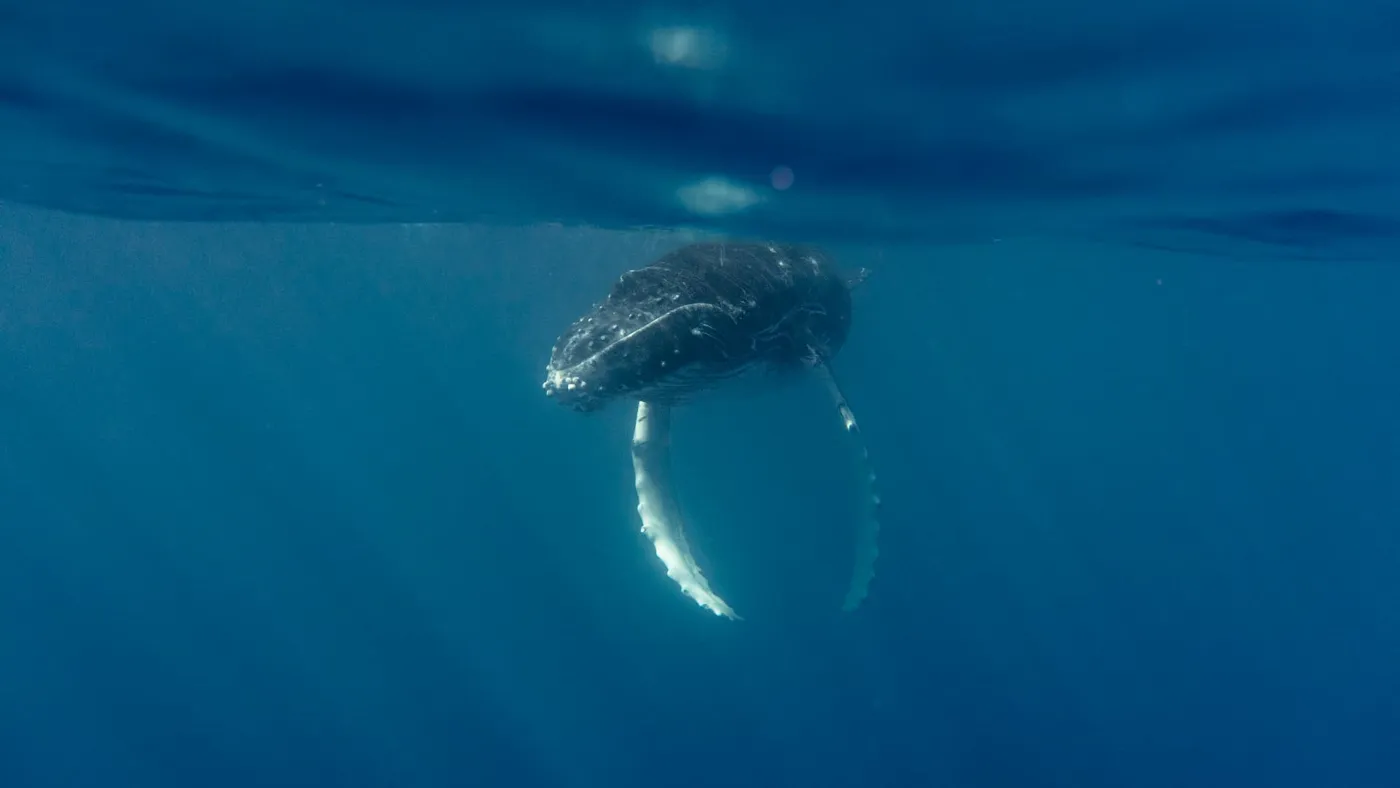
Every year, humpback whales leave the cold waters of Antarctica to mate and give birth in the warm waters of French Polynesia. Tahiti then becomes one of the best places in the Pacific to see them.
At Activiseas, the whale season runs from July 20 to November 20. This is when we run our whale-watching trips from the club, at the InterContinental Resort Tahiti.
Why do they come here? Humpback whales spend the southern summer feeding on krill in Antarctica. In winter they travel thousands of kilometers to calmer, warmer tropical waters, ideal for mating and giving birth. They barely feed during their stay in Polynesia: they live off their fat reserves.
Early season (late July – August): the first whales arrive, often males and lone adults. Encounters are possible but a little less frequent.
Peak season (September – October): often the richest period. You see mothers with their calves, staying close to the surface so the calf can breathe, and groups of males escorting a female and competing with each other. Breaches, fin slaps and tail slaps are common.
Late season (November): the calves have grown stronger and families get ready to head back south. The last encounters are often beautiful and calmer.
Whale song: it is the males that sing. Their song, a sequence of low and high sounds repeated for long minutes, can be heard several kilometers away underwater. It is thought to play a role in courtship. On board, our hydrophone lets you listen live, even without getting in the water.
Approach rules in Polynesia are strict and protect the whales. The observation zone starts at 300 m (985 ft): speed under 3 knots and 3 boats maximum. Within 100 m (330 ft), no boat is allowed. Within 15 m (50 ft), no one is allowed, not even swimming. Our team applies these rules on every trip.
A whale-watching trip lasts 3 hours, including the ride back to the club. It is open from age 6.
Is an encounter guaranteed? No: these are wild animals, and nature decides. In peak season, however, the chances are good, and our team knows their usual routes well.
What is the best time of day? In the morning the sea is often calmer and the light is better for watching. Afternoon trips also offer great encounters.
Our tips: book early, as places go fast in peak season; bring reef-safe sunscreen, a hat, sunglasses and a windbreaker; if you get seasick, take precautions before leaving.
To book, use the “Book” form on the website or message us on WhatsApp. The club is open every day from 8 am to 5 pm.