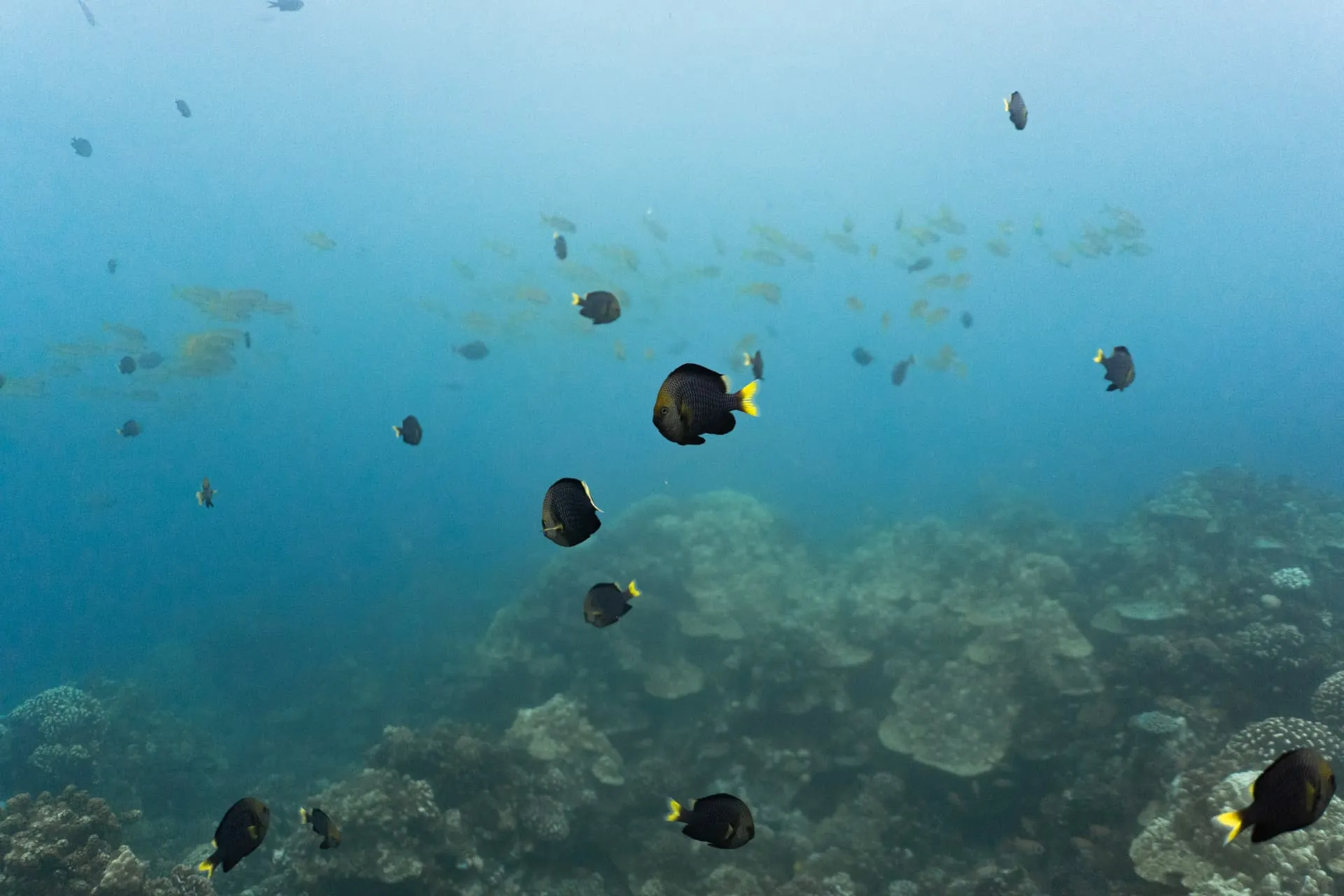
Tahiti’s Nudibranchs: Hidden Jewels of the Coral Depths
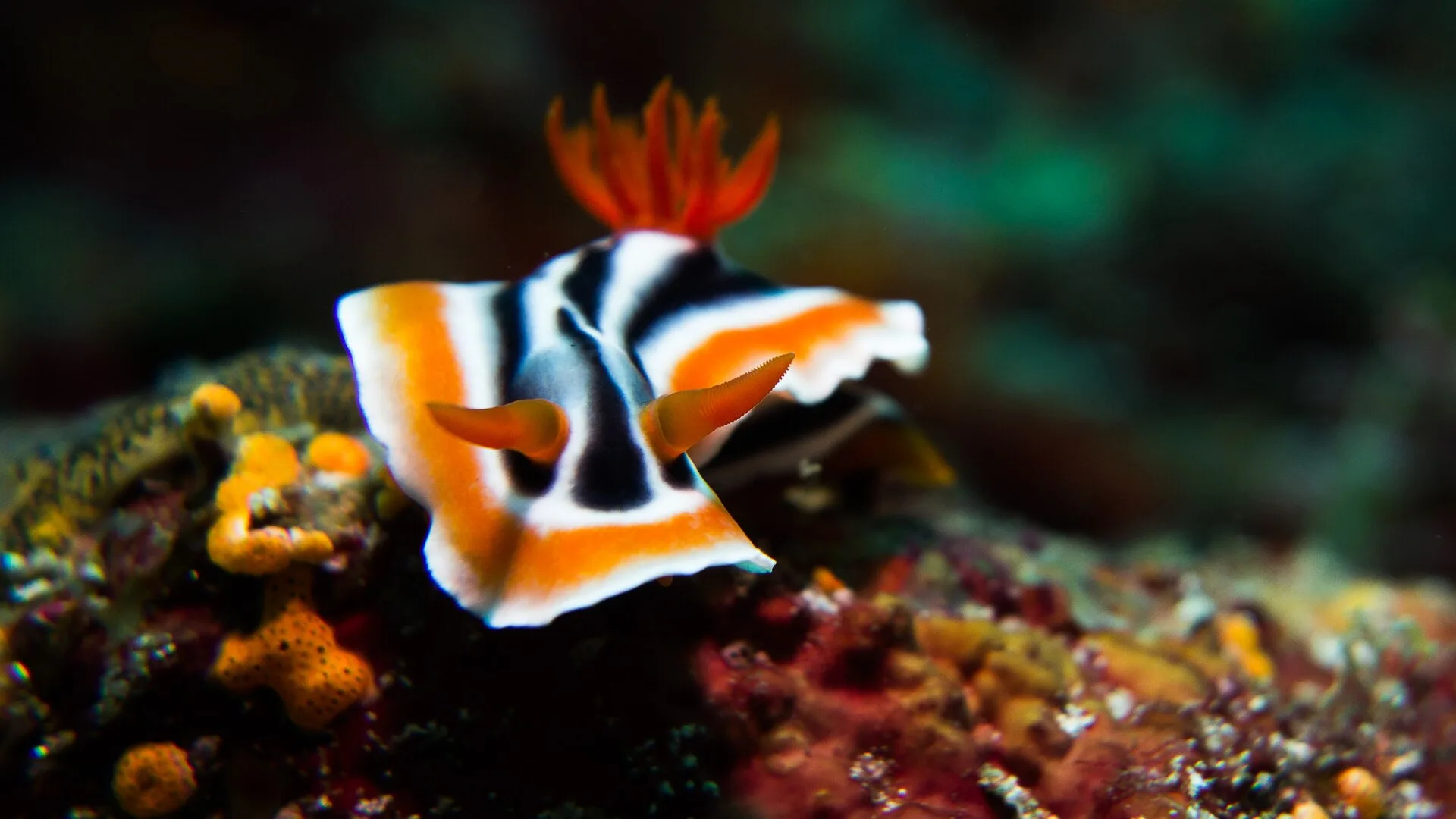
Photo : Kris Mikael Krister, CC BY 3.0, Wikimedia Commons
Tahiti is a dream destination for diving and snorkeling enthusiasts, not only for its crystal-clear waters but also for its exceptional marine biodiversity. Among its underwater wonders, nudibranchs stand out for their vivid colors and unique shapes. This science-focused article introduces ocean enthusiasts to these fascinating creatures, with figures and detailed descriptions of species that can be seen in Tahiti.
What Is a Nudibranch?
Nudibranchs are gastropod mollusks that have no shell as adults. They are known for their flamboyant and varied appearances. There are more than 3,000 species of nudibranchs, several of which can be seen in Tahitian waters.
Key Nudibranch Species in Tahiti
Chromodoris willani Description: A bright blue body with white bands and black spots. Size: About 5–6 cm long. Habitat: Shallow coral reefs, usually at depths of 5–20 m (16–65 ft). Diet: Feeds mainly on marine sponges.
Description: A bright blue body with white bands and black spots.
Size: About 5–6 cm long.
Habitat: Shallow coral reefs, usually at depths of 5–20 m (16–65 ft).
Diet: Feeds mainly on marine sponges.
Glossodoris atromarginata Description: A beige body with a wavy black-and-white edge. Size: About 4–6 cm long. Habitat: Coral reef areas and underwater slopes, often found at depths of 10–30 m (35–100 ft). Diet: Eats sponges and uses its colors to deter predators.
Description: A beige body with a wavy black-and-white edge.
Size: About 4–6 cm long.
Habitat: Coral reef areas and underwater slopes, often found at depths of 10–30 m (35–100 ft).
Diet: Eats sponges and uses its colors to deter predators.
Nembrotha kubaryana Description: A vivid palette ranging from green to red, with black spots. Size: About 5–10 cm long. Habitat: Coral reefs, usually at depths of 10–40 m (35–130 ft). Diet: A voracious predator of tunicates and other marine invertebrates.
Description: A vivid palette ranging from green to red, with black spots.
Size: About 5–10 cm long.
Habitat: Coral reefs, usually at depths of 10–40 m (35–130 ft).
Diet: A voracious predator of tunicates and other marine invertebrates.
Hypselodoris bullockii Description: A pink or purple body with yellow or orange lines. Size: About 4–7 cm long. Habitat: Coral and other underwater areas, usually at depths of 5–25 m (16–80 ft). Diet: Feeds on specific sponges, contributing to reef diversity.
Description: A pink or purple body with yellow or orange lines.
Size: About 4–7 cm long.
Habitat: Coral and other underwater areas, usually at depths of 5–25 m (16–80 ft).
Diet: Feeds on specific sponges, contributing to reef diversity.
The Ecological Role of Nudibranchs
Nudibranchs play a crucial role in marine ecosystems. As specialized predators, they regulate populations of their prey, such as sponges, tunicates, and anemones. Some nudibranchs also absorb toxins from their prey and store them in their tissues, providing a chemical defense against predators.
Observing and Studying Nudibranchs in Tahiti
For researchers and marine biology enthusiasts, Tahiti is an ideal place to study nudibranchs. Here are a few tips to help you make the most of your observations:
Equipment: Use an underwater camera to document species and their habitats.
Patience and attentiveness: Nudibranchs are often small and camouflaged, so it is essential to move slowly and look carefully.
Respect for the environment: Do not touch nudibranchs or their habitats, to avoid disturbing their delicate ecosystem.
Facts and Figures
Biodiversity: More than 100 nudibranch species have been documented in Polynesian waters, many of them in Tahiti.
Distribution: Nudibranchs can be found at depths ranging from the surface to more than 40 m (130 ft), although most are observed between 10 and 30 m (100 ft).
Average size: Most nudibranchs observed in Tahiti measure between 4 and 10 cm, although some species can reach up to 30 cm.
Conservation and Threats
Tahiti’s coral reefs, like many others around the world, are threatened by pollution, climate change, and overfishing. Conserving nudibranchs and their habitat is essential to maintaining marine biodiversity. Protection efforts include establishing marine protected areas and promoting responsible diving practices.
Conclusion
Tahiti’s nudibranchs are treasures of marine biodiversity, offering divers and snorkelers a unique and colorful experience. Studying them in depth helps us better understand marine ecosystems and promote their conservation. Dive into Tahitian waters to discover these fascinating creatures and help preserve their natural habitat.