How Atolls Form in French Polynesia: A Miracle of Nature
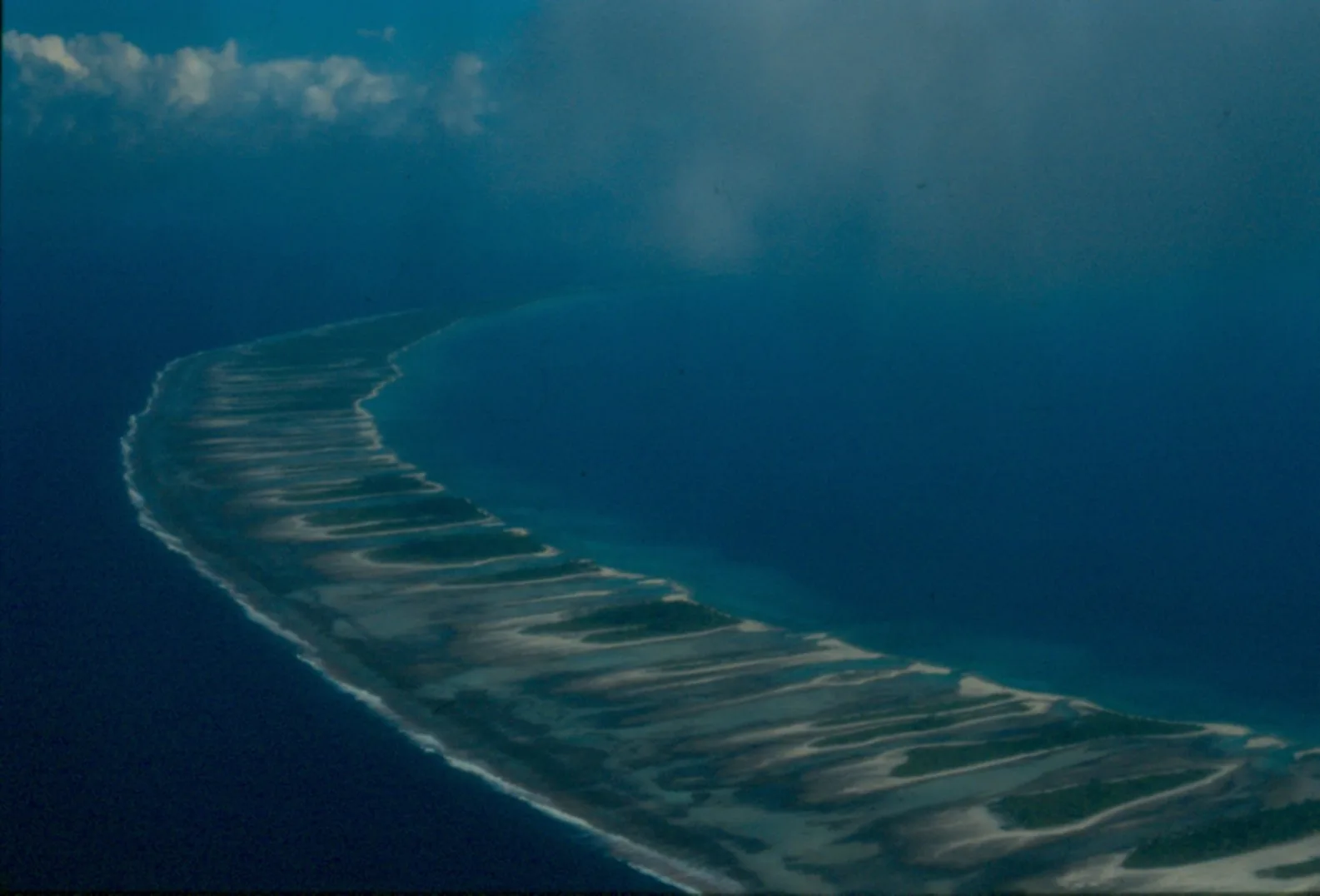
Photo : Urs Neumeier, CC BY-SA 2.5, Wikimedia Commons
French Polynesia, an idyllic archipelago in the heart of the Pacific Ocean, is famous for its breathtaking scenery, turquoise lagoons and white-sand beaches. Among the region’s natural wonders, atolls hold a special place. But how did these unique geological formations come into being? Let’s dive into the fascinating process of atoll formation in French Polynesia.
An atoll is a ring-shaped island made up of coral reefs surrounding a central lagoon. Unlike volcanic islands, atolls are composed mainly of coral. Their circular shape, with a shallow lagoon at the center, makes them ideal habitats for marine life and major tourist attractions.
Atoll formation is a long, complex process that can take millions of years. This natural phenomenon, explained by Charles Darwin’s theory, involves several key stages:
Formation of a Volcanic Island — It all begins with an underwater volcanic eruption. Magma rising towards the surface builds a volcanic mountain that, over time, emerges above sea level to form a volcanic island. This is how most of French Polynesia’s islands, including Tahiti and Bora Bora, were formed.
It all begins with an underwater volcanic eruption. Magma rising towards the surface builds a volcanic mountain that, over time, emerges above sea level to form a volcanic island. This is how most of French Polynesia’s islands, including Tahiti and Bora Bora, were formed.
Coral Colonisation — Once the volcanic island has formed, corals begin to colonise its underwater slopes. Corals are marine organisms that grow by building calcium carbonate structures. They thrive in the warm, clear, shallow waters of tropical regions.
Once the volcanic island has formed, corals begin to colonise its underwater slopes. Corals are marine organisms that grow by building calcium carbonate structures. They thrive in the warm, clear, shallow waters of tropical regions.
Development of a Fringing Reef — Over time, the corals multiply and form a fringing reef around the volcanic island. This reef is initially attached to the island, creating a band of coral that follows the coastline.
Over time, the corals multiply and form a fringing reef around the volcanic island. This reef is initially attached to the island, creating a band of coral that follows the coastline.
Formation of a Barrier Reef — As the volcanic island gradually sinks into the ocean through tectonic subsidence and erosion, the corals continue to grow towards the surface to remain in shallow water. The fringing reef thus becomes a barrier reef, separated from the island by an increasingly wide lagoon.
As the volcanic island gradually sinks into the ocean through tectonic subsidence and erosion, the corals continue to grow towards the surface to remain in shallow water. The fringing reef thus becomes a barrier reef, separated from the island by an increasingly wide lagoon.
Formation of the Atoll — Eventually, the volcanic island disappears entirely beneath the sea, leaving behind a ring of coral reefs surrounding a central lagoon. This is how an atoll forms.
Eventually, the volcanic island disappears entirely beneath the sea, leaving behind a ring of coral reefs surrounding a central lagoon. This is how an atoll forms.
French Polynesia is home to some of the world’s most beautiful atolls. Rangiroa, one of the largest atolls on the planet, is a popular scuba diving destination thanks to its exceptional marine biodiversity. Fakarava, another renowned atoll, is designated a UNESCO Biosphere Reserve for its unique marine ecosystems.
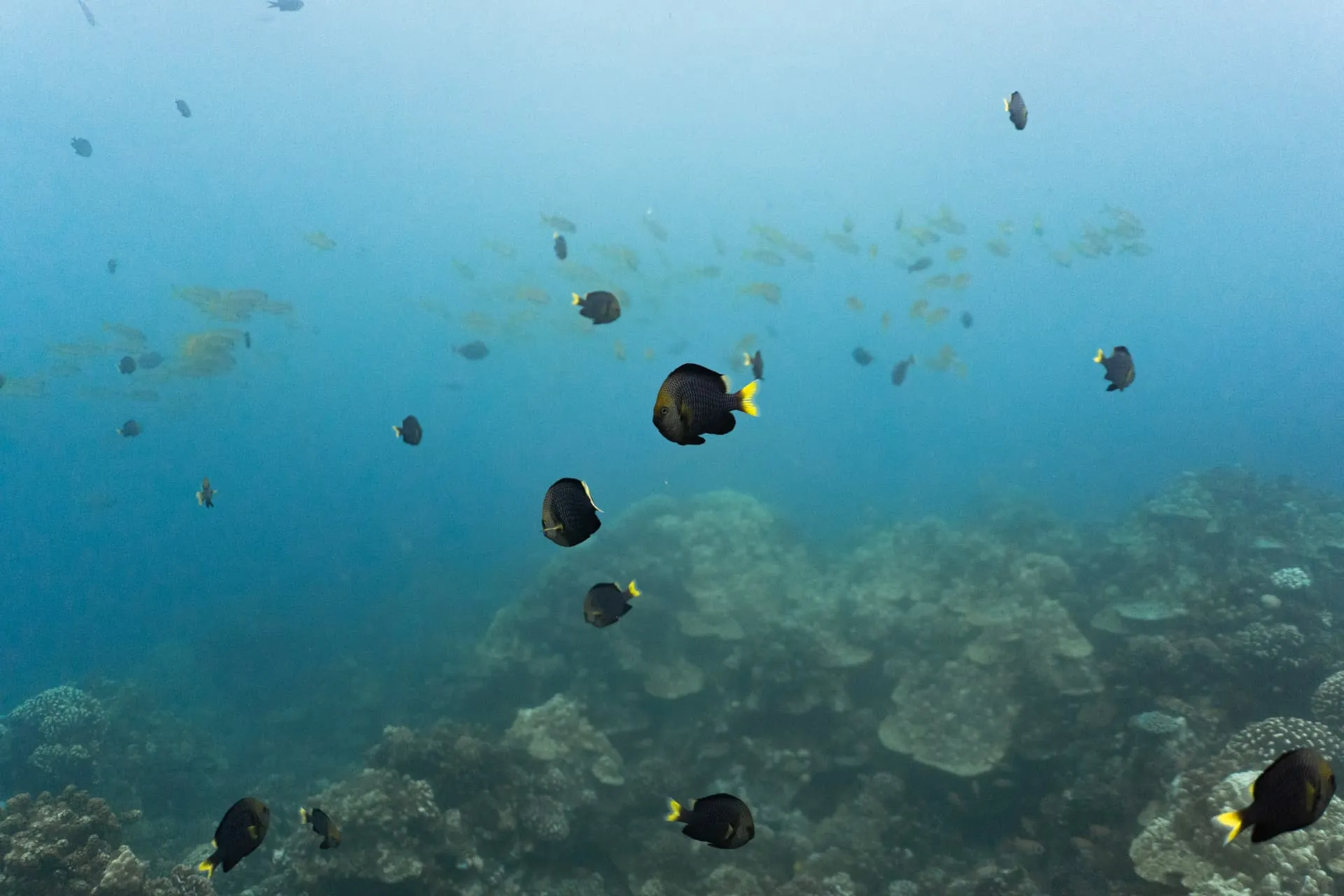
French Polynesia’s atolls are not just natural wonders; they are also vital habitats for a wealth of marine species. Their lagoons are home to tropical fish, sharks, manta rays and many other fascinating marine creatures. Coral reefs also play a crucial role in protecting coastlines from erosion and storms.
Unfortunately, French Polynesia’s atolls, like those elsewhere in the world, are threatened by climate change. Rising water temperatures, ocean acidification and sea-level rise put coral reefs at risk. Conservation efforts, such as establishing marine reserves and raising awareness of reef protection, are essential to preserving these fragile ecosystems.
The formation of atolls in French Polynesia is a testament to the power and beauty of nature. These unique geological formations are the result of millions of years of natural processes, combining volcanic activity with coral growth. Today, they are valuable marine habitats and major tourist destinations, offering a glimpse into Polynesia’s spectacular underwater world. Protecting these natural treasures is crucial so that future generations can continue to admire and benefit from the richness of French Polynesia’s atolls.